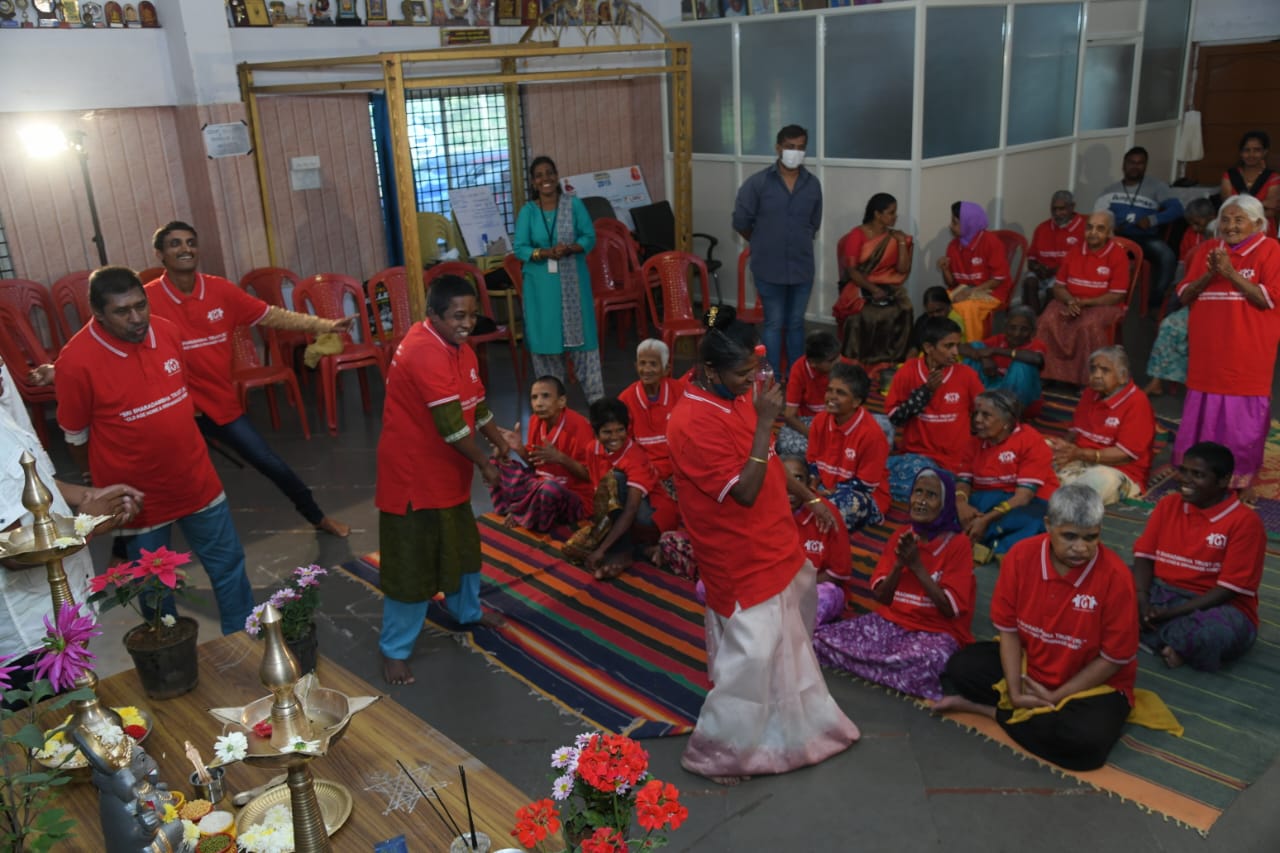
Support Sri Sharadamba Trust
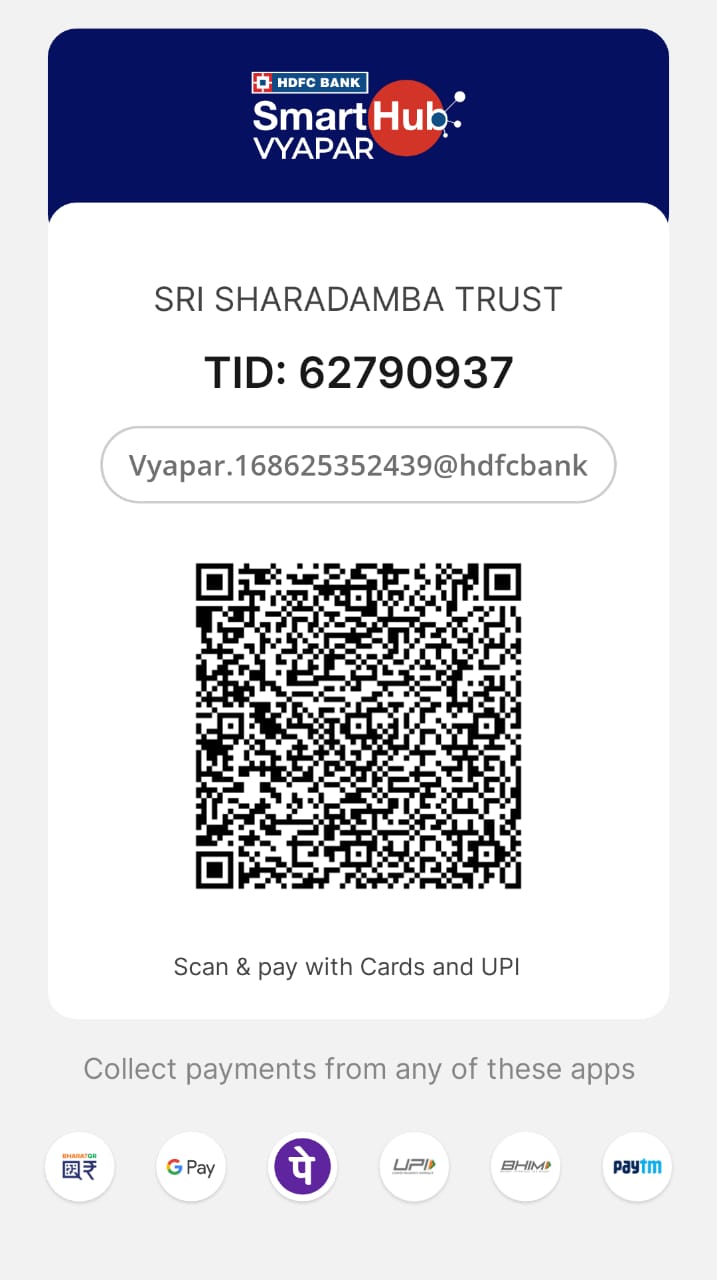
Greetings from SRI SHARADAMBA TRUST. Please scan the QR with cards and UPI to complete your payment.
Background
About 12 to 13 percent of the population of those wards consists of older people 50 years and above and comprise of different castes. Those are traditionally farmers, government and non-government service holders, business people, artisans, sweepers and butchers by occupation. Now all of these communities have diversified their occupation and unlike their grandfathers’ generation, all the children attend schools and are well educated.
55 to 75 years they
Served everyone. They served the society. They served their parents. They served their families.
BUT TODAY — LEFT ALL ALONE — They are deprived from their basic needs, they have nothing to live a stable life. Financially unsound and they suffer “LONELINESS”.
Rapid urbanization, education and diversification of occupation have brought about unexpected changes in lifestyles, attitudes and behavior among younger generation while older people are very much traditional in their thinking and behavior and nostalgic about their past lives. The result is the generation gap—the lack of understanding between the older and the younger generation.
They did not have opportunity to attend schools and had to struggle for survival when quite young. Today’s children are in a better position as they have more opportunities to receive education, and enjoy various means of travel and communications which all may contribute to widening their thinking and adapting new values and customs which are different to the customs and values older people grew up with. Same is also the case of the under privileged who are born and not taken care because their parents don’t want to take the responsibility or have lost their parents or a single parent in undue circumstances.
Social isolation & neglect — Activities
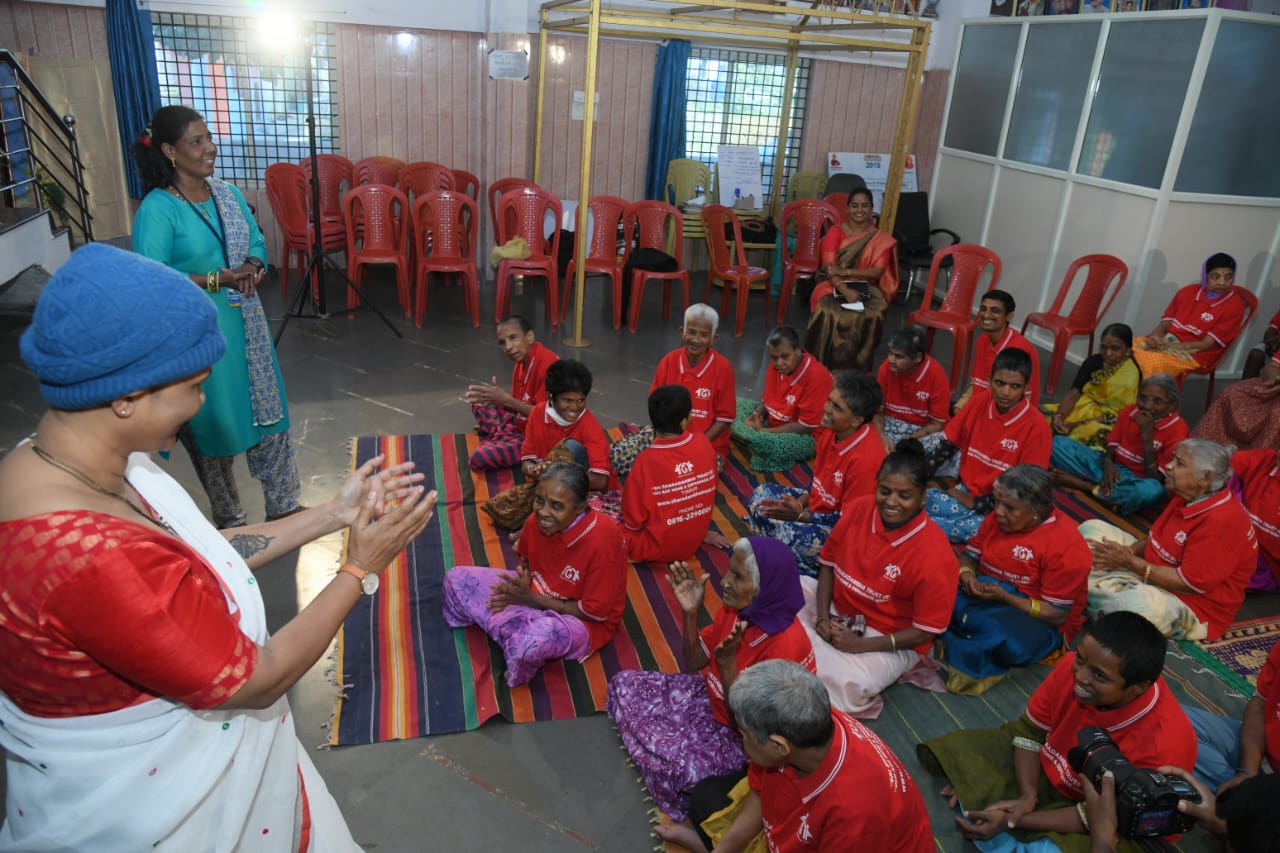
Today’s older people feel ‘social isolation’. In many families older people do not have much interaction with family members nor have good terms with them. The younger generation has many interests and concerns and they care less about the older generation, their interests and needs. As a result, older people feel neglected and spend most of their time alone, with limited interaction, for example, when they meet their contemporaries for a short time during the day. The health of older people is the lowest priority in the family and, unless seriously ill, older people are not taken to the doctors or cared for. Older people do not receive proper care and respect from the family. In a number of cases, older people are physically weak and have few if any options; they accept their condition as it is.
As is common in Karnataka & India, the majority of older people in the project area live with families—at least one son and his family. But increasing numbers of older people are found to be living alone or with only their spouse despite having a son or sons. This suggests that traditional systems of taking care of older people within the family may be slowly breaking down. Even for those living in the family, the care and support do not seem to be adequate and the life of older people may be more difficult than it seems from outside.
Weekly sharing forums
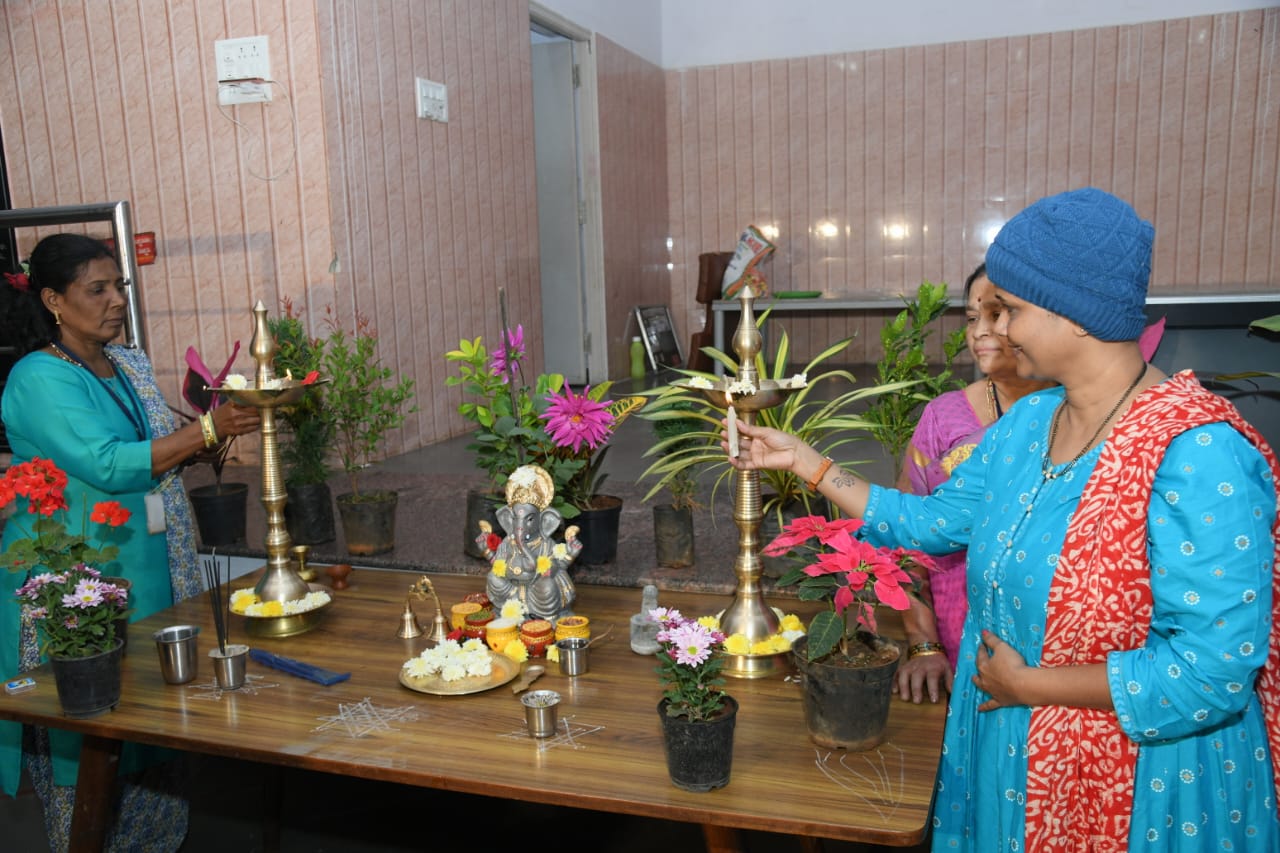
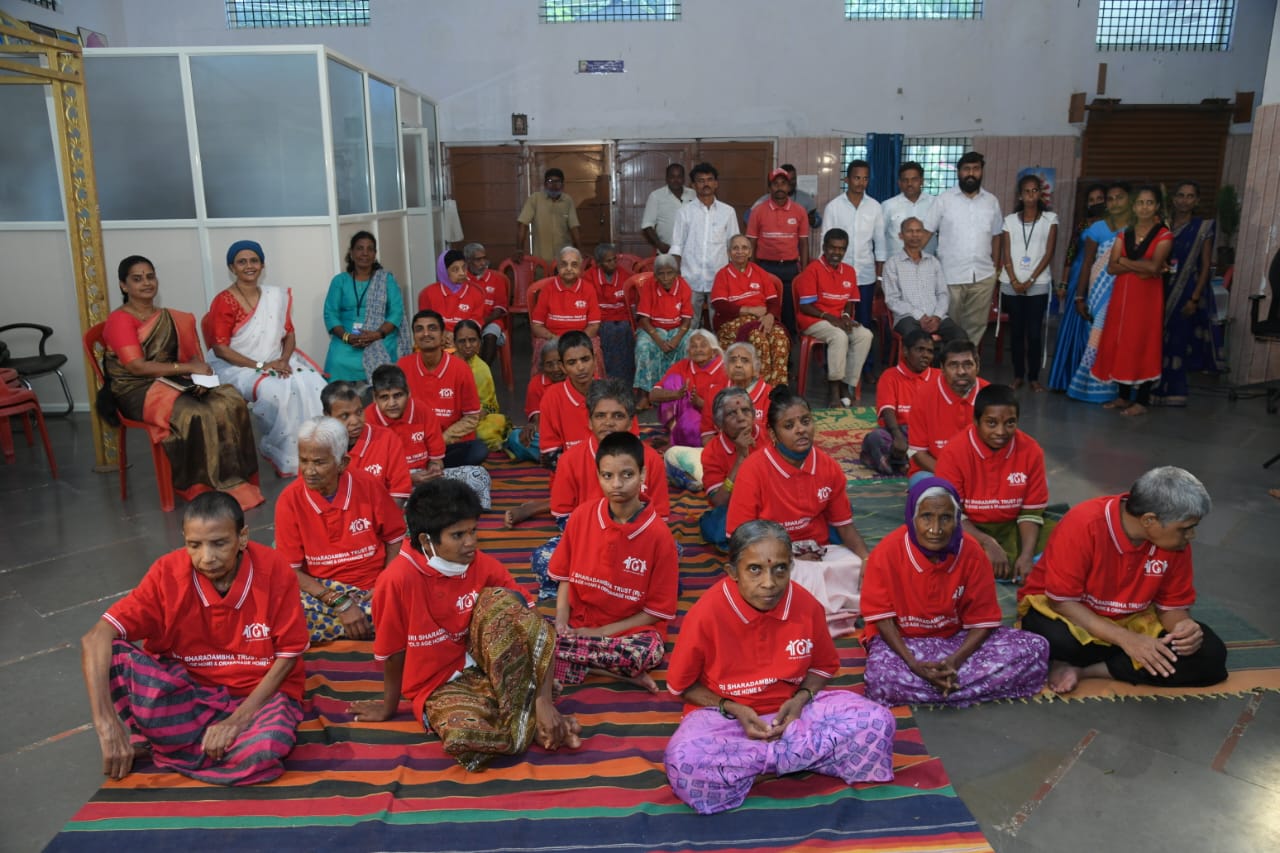
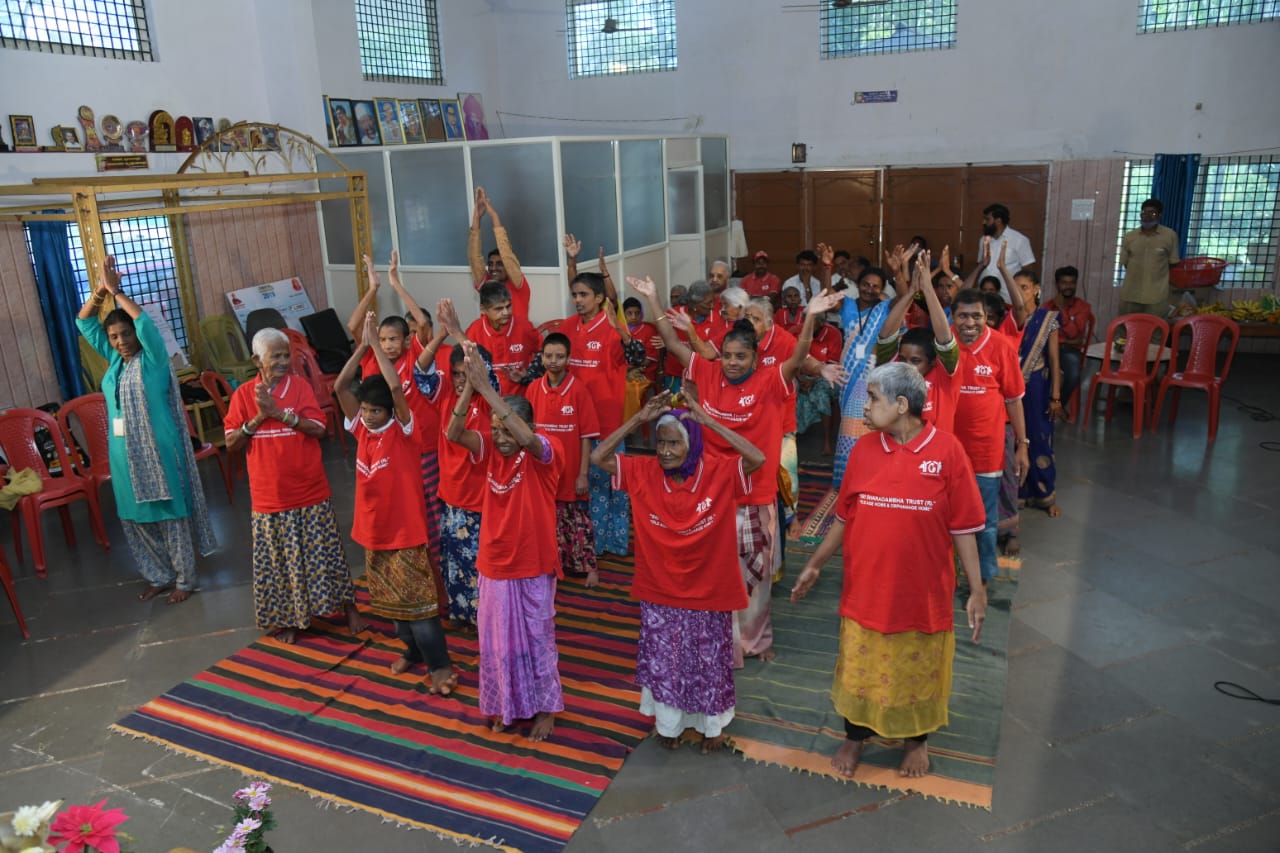
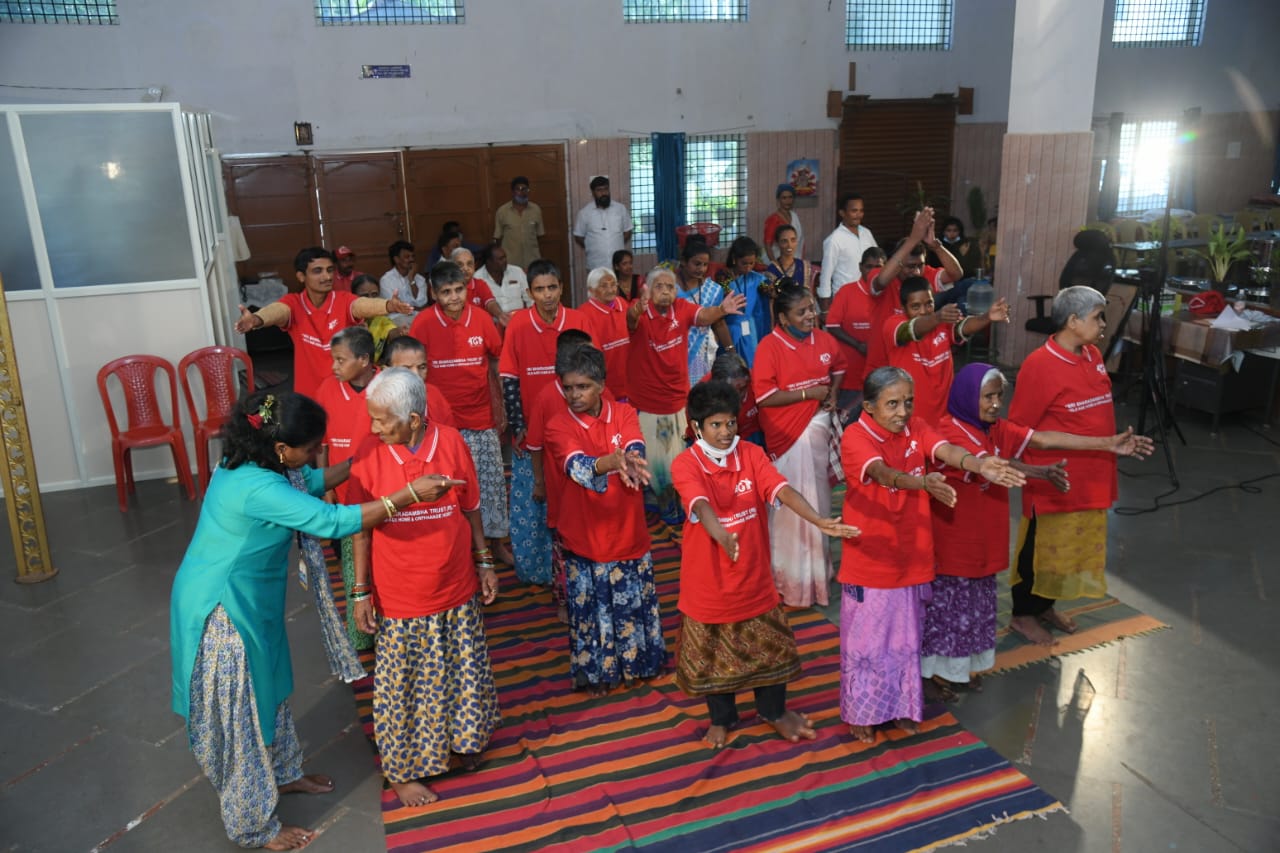
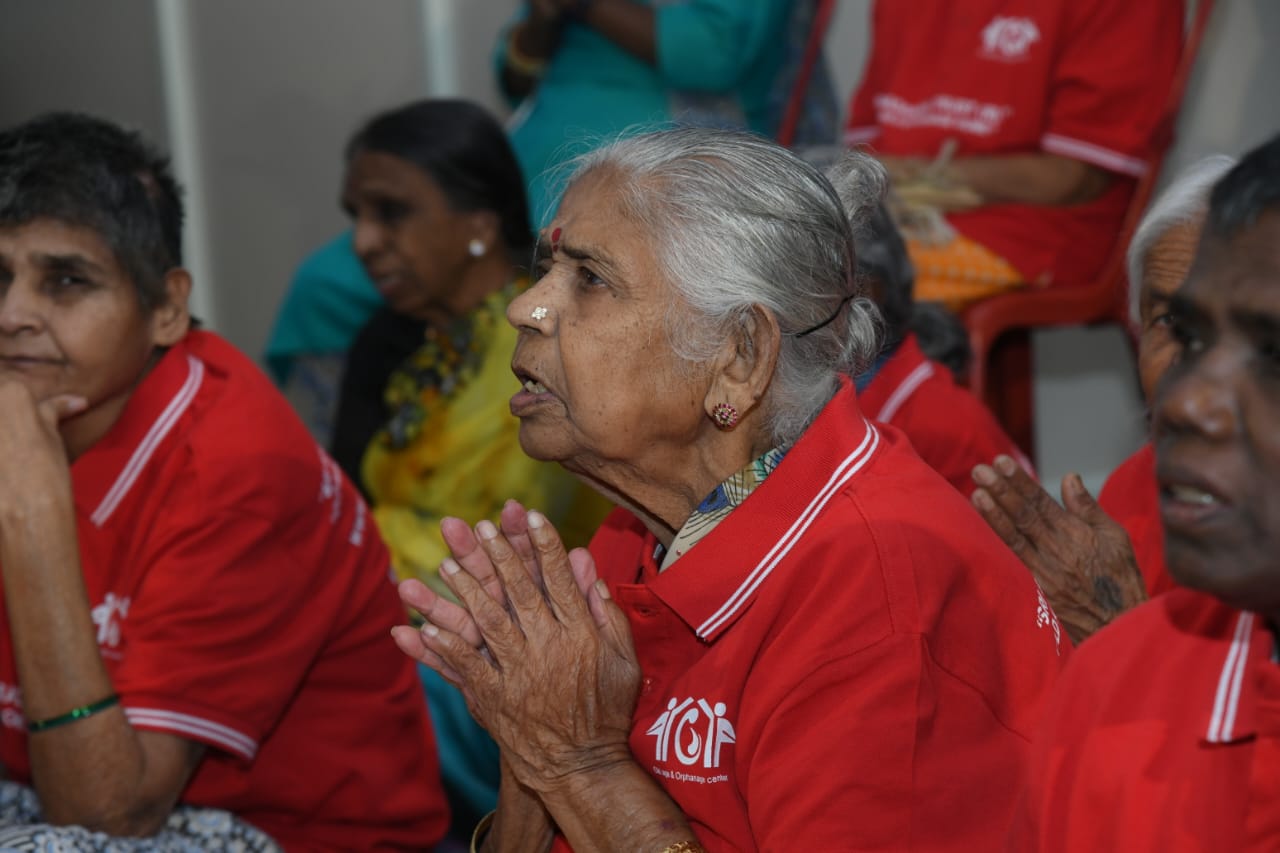
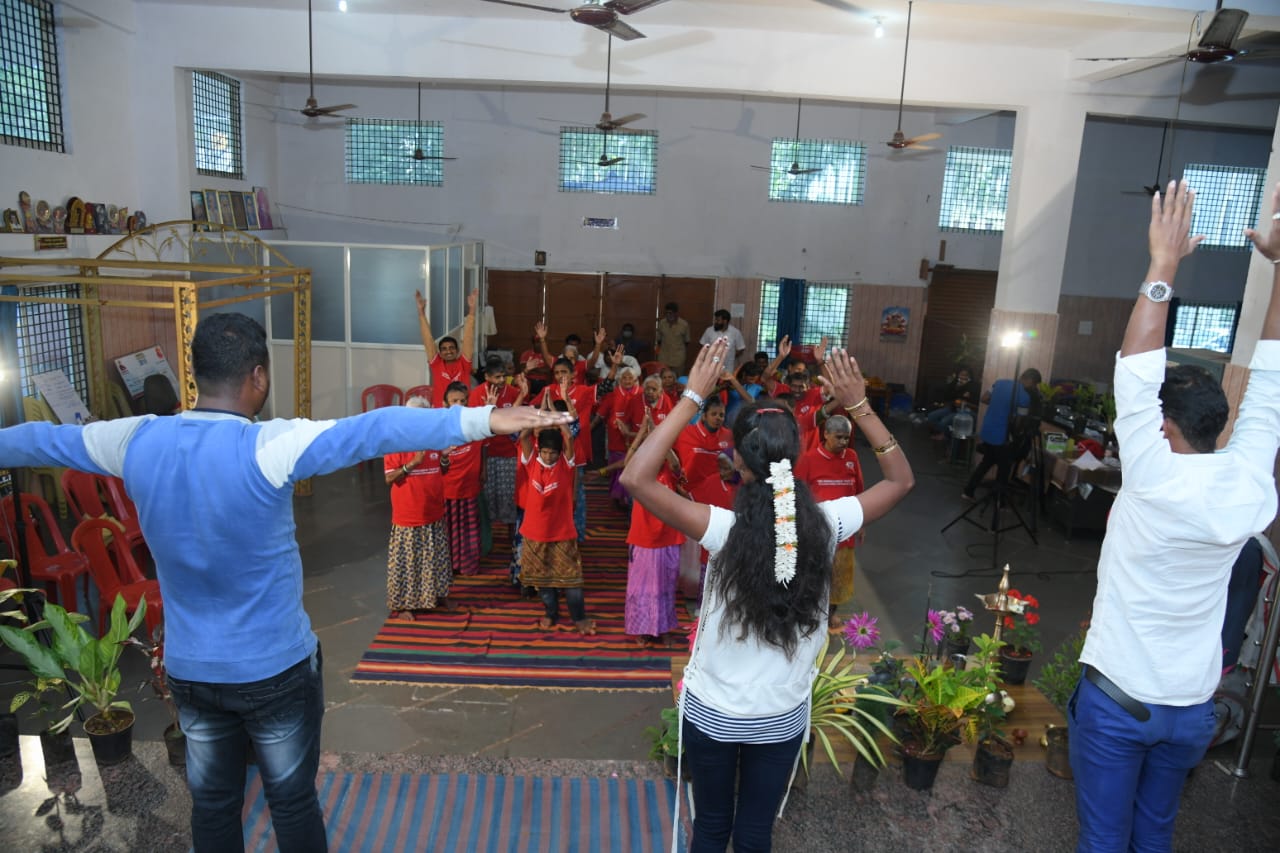
Weekly religious sermons by intellectual people and the Hindu priest as well as religious singings, and occasional screening of religious movies, health education are carried out as before. A ten-member committee of selected older people has already been formed to carry out the weekly religious programs so that the program will be continued with little supervision of Sri Sharadamba Trust staff. This team will be strengthened through training and local volunteers will also be included in the team. This way, older people will also gain self-respect and self-confidence and young people start respecting older people more.
At the demand of older people weekly religious program will be extended from two days a week to four days a week. Besides Sunday and Wednesday, there will be religious program on Friday as well. On Tuesday there will be literacy class for a limited number of older people by a volunteer.
Monthly health camps
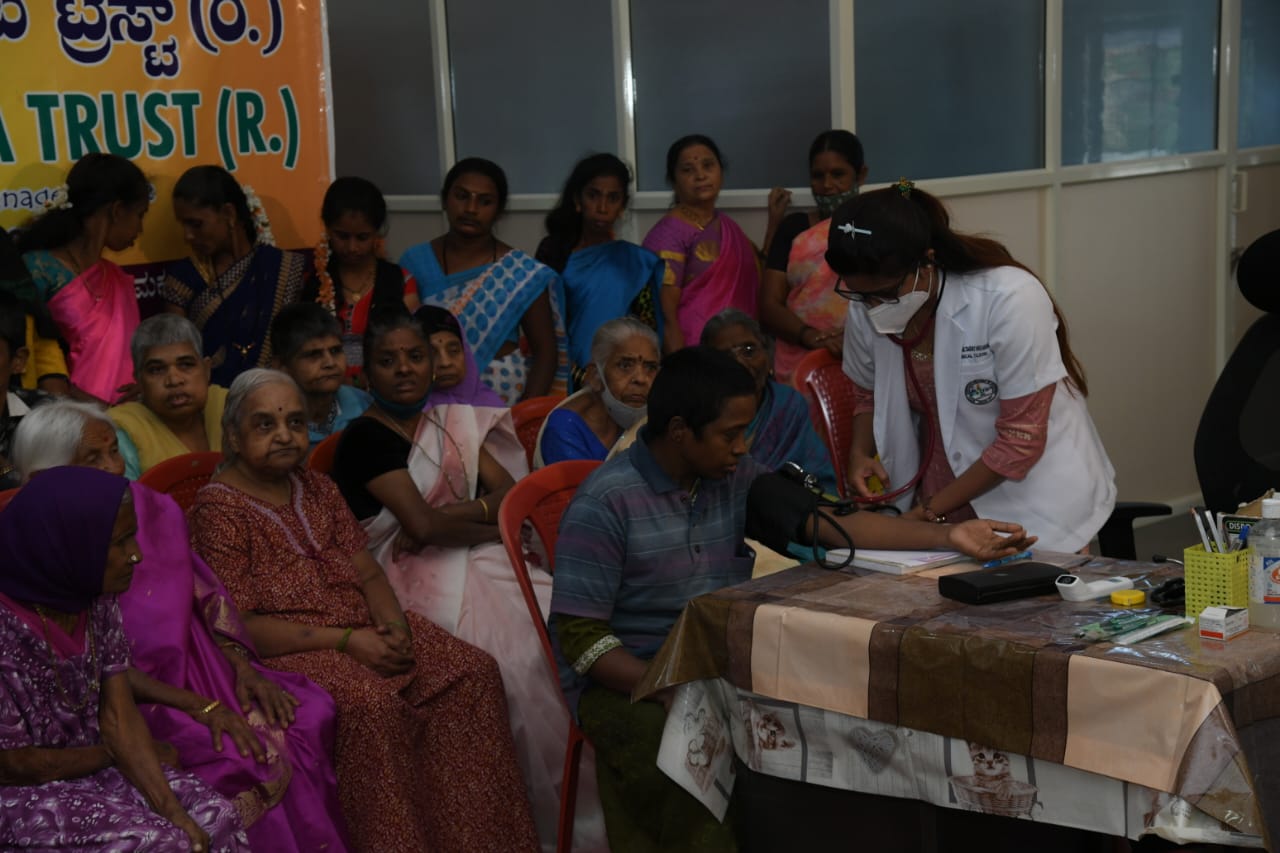
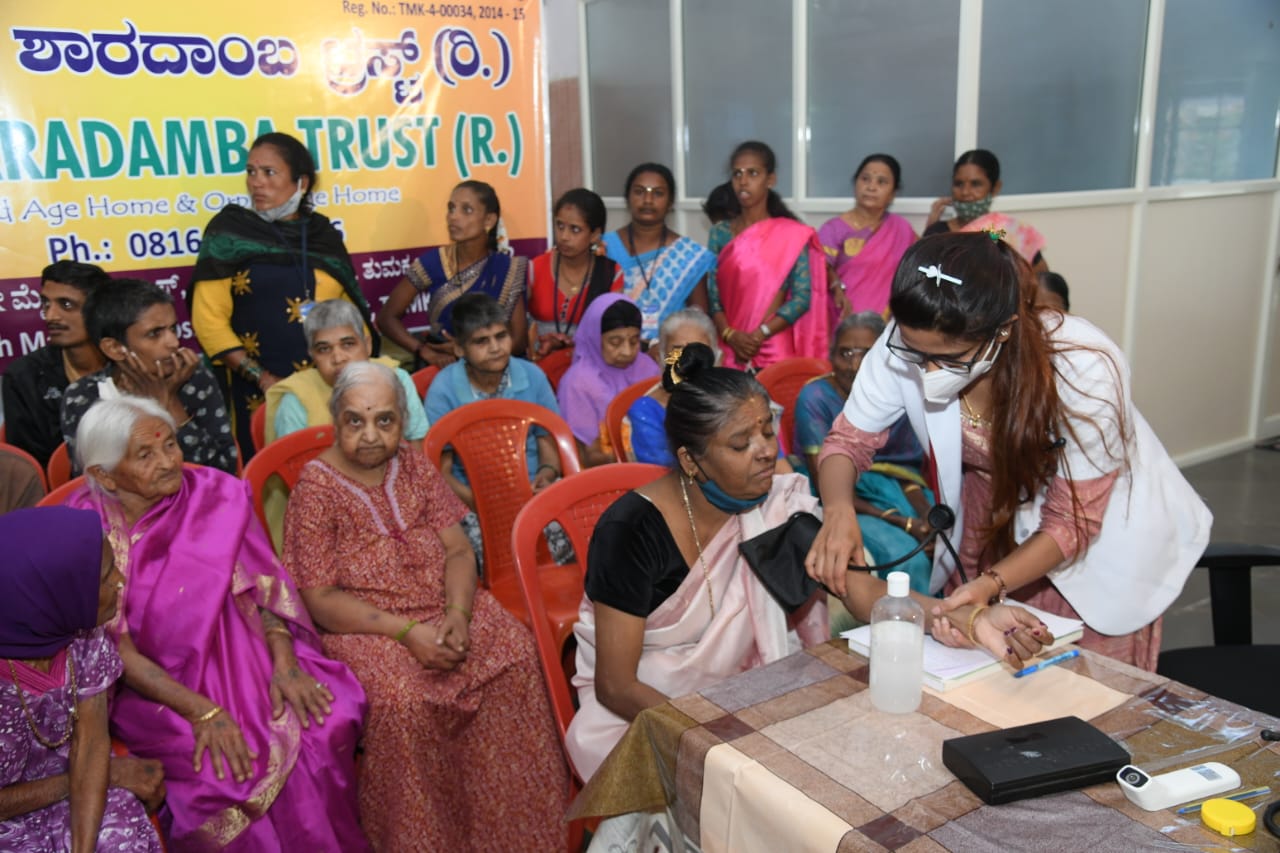
In order to alleviate medical problems of older people, a monthly health camp is held on the last Saturday of every month and many older people who could not afford to buy medicines on their own have been helped in those camps. Special camps are also held occasionally. This has been one of the major attractions for old people as they get free medicines for minor diseases that are otherwise ignored by family members.
Community health care support system
As mentioned above, older people feel lonely and isolated and need companionship. Moreover, there are also older people who cannot go out of their house. There is a need for some voluntary service to give some company (or counseling in some extreme cases) to those older people who lack mobility and who do not have family support.
Sri Sharadamba Trust had already initiated this concept of voluntary service with local volunteers. During the first year of the project, five young local volunteers from different localities were selected to conduct once a week home visit of older people in their community. But now only two local volunteers are still continuing this activity once a month. They were given minimum incentive of Rs300 per visit after submitting their visit report to Sri Sharadamba Trust. Since this concept is new, there is a dearth of trained volunteers who can deal with older people. So local volunteers and concerned persons from the government and non-governmental organizations will be trained in providing support to older people in the community. They will be appointed in different localities to keep in touch with older people especially those living alone, to give them company, listen to them and remain abreast of their problems and help them solve in possible ways. They will be provided minimum cash incentive per visit and a training opportunity locally and nationally as they become available.
For this activity Sri Sharadamba Trust has received limited funds from self funding. Under this activity, a regular staff nurse and local volunteers will carry out home visits and give company and medical advice especially to older people living alone and those without mobility.
A shelter home for old age people & underprivileged children
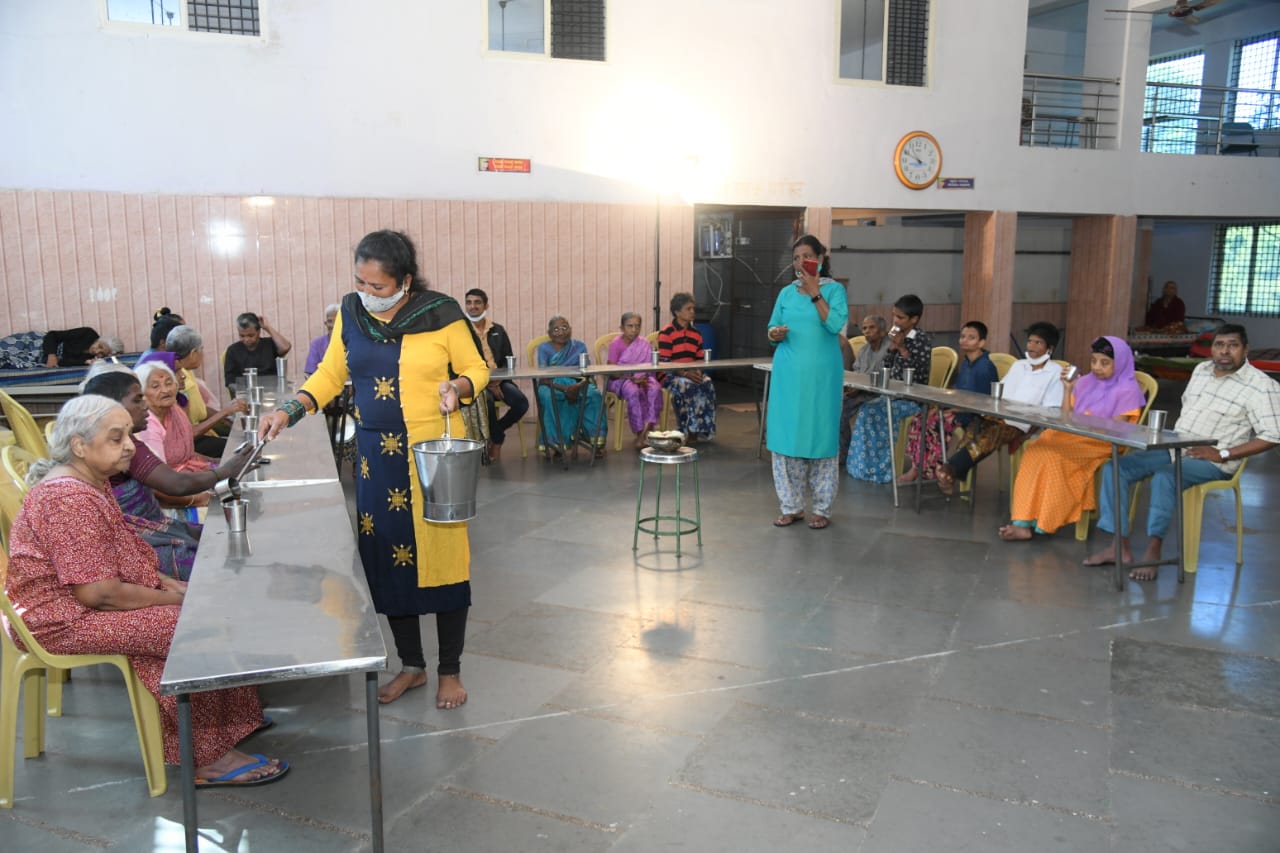
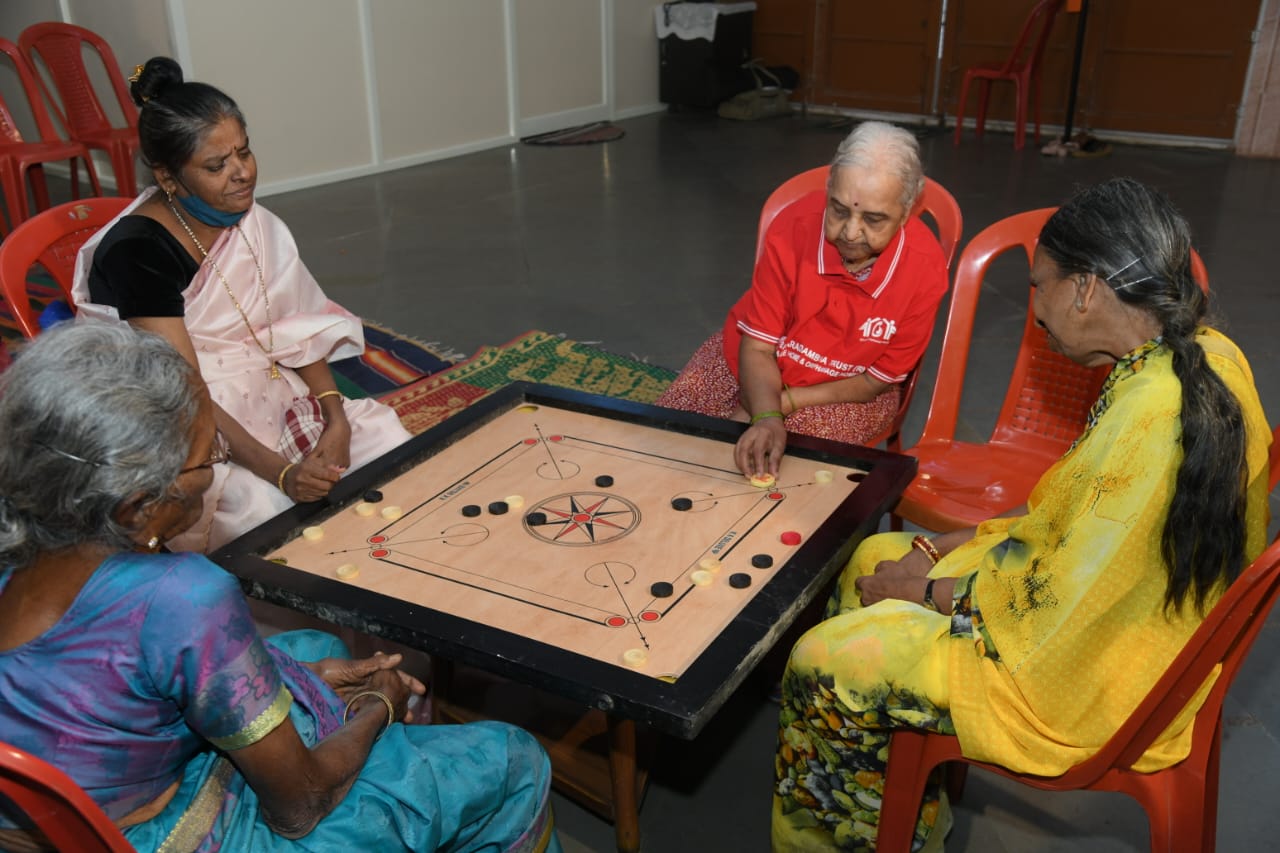
A home for the deprived old age people & deprived children of the society (orphans). A house they can call their own and live without depending on anyone. A self reliant system for their stay & survival.
Women and children’s issues have received much attention of policymakers lately but older peoples issues hardly even come into discussion. Policymakers and the general public are unaware of the situation of older people in India—the difficulties they face, their rights, the support services needed for them including basic health services. Moreover, the issue of older people is ‘hidden’ since the general conception is that older people are respected and taken care of by their family, so there is no need for outside intervention while in reality, most older people spend the rest of their life in difficulty, pain and in silence. Same is the story of underprivileged children — neglected & no one willing to take care of them as of their undue circumstances.
In order to create awareness on the plight of older people and to bridge intergenerational gap, preliminary discussions were held with older people and their family members including children. This helped us to let families know about the project objectives, understand their views regarding older people and generally helped to raise awareness of the importance of older people at the family and community level. There is a good rapport built with the community—the older people, their families, elected ward officials, and local volunteers.
With the experience gained in the 11 years, Older People Sharing and Caring Project will continue through the future years with the following goal and objectives.

Goal & Specific Objectives
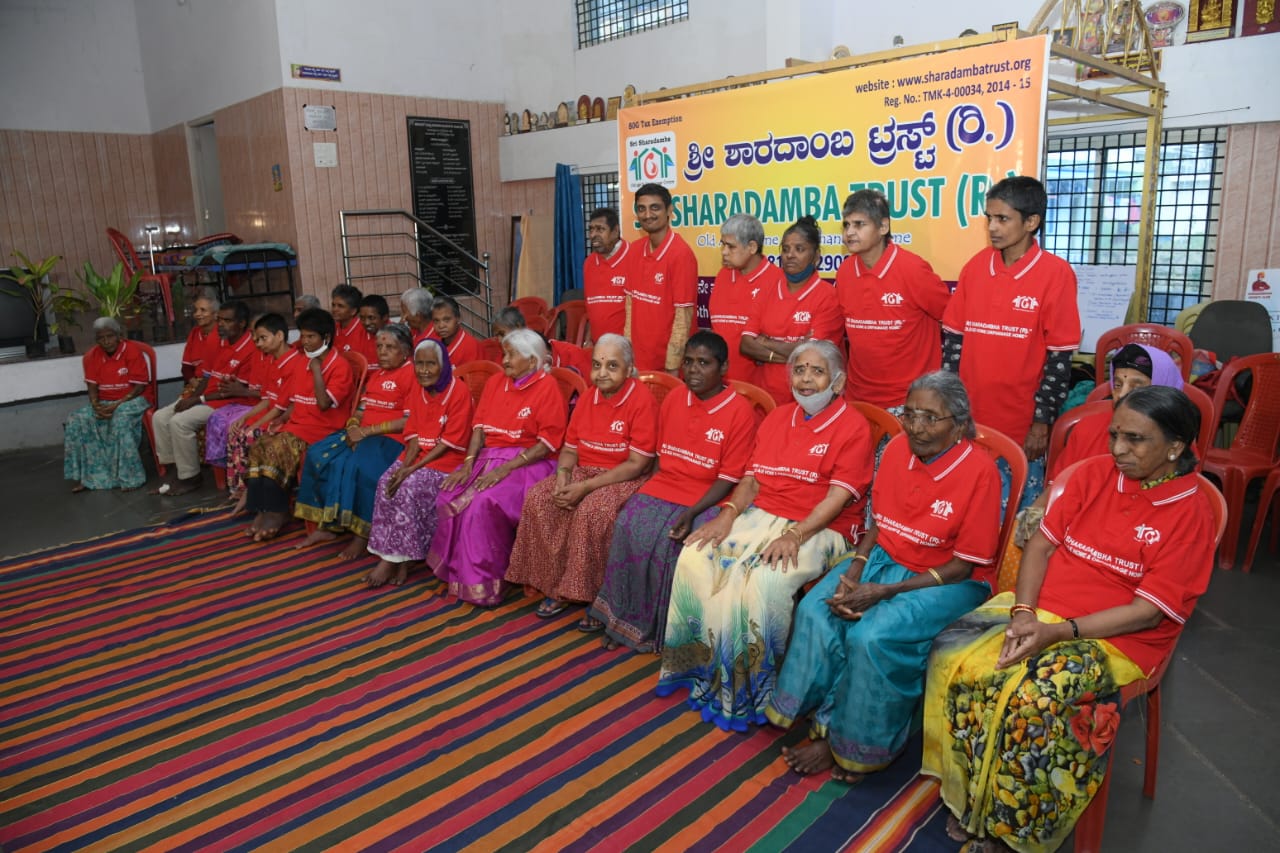
Goal: Improve the status of older people and increase their feeling of 'inclusiveness' in the society.
- To help reduce intergenerational gap through increased interaction between different generations and enhance each other's understanding;
- To study the best health care model for the older people;
- Advocating for increased access to quality care services to older people through appropriate policy and program interventions by the government and concerned agencies;
- To make the project activities as sustainable as possible with the creation of older people forum at grassroots level to carry out the programs and advocacy independently.
Proposed Programs & Activities (Detailed)
Interaction programs
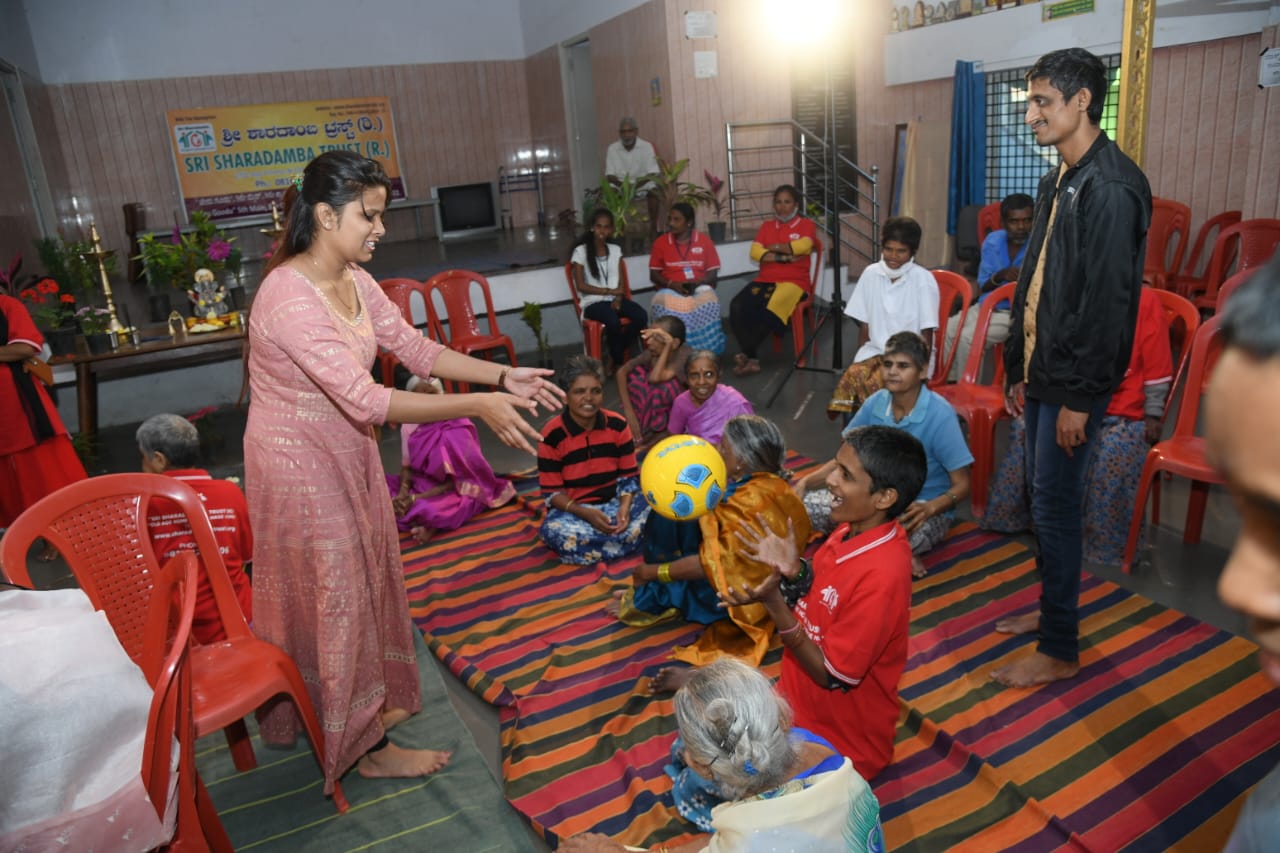
There is a need to create awareness among younger generation of the importance of older people in the family and the community, the problems they face and increase the level of understanding between the two generations so that older people have homely environment and are properly treated by their families. One way to reduce the intergenerational gap is to open dialogue between older people and the younger generation so that they understand each other better. Rapport will be built with children’s groups from different communities/localities and preliminary discussions regarding older people will be held with them. A children’s room has been set in the same building where religious activity takes place. There are reading and playing materials for children there to come and spend their time. Children and the older people will be brought together in weekly sharing forums. They will also be brought together in interaction sessions during workshops/training.
Advocacy
Besides the community level, there is a need to raise awareness on the particular issues of major concern to older people such as health care, medical treatment at discount prices to older people, problem with old age and widow allowance at the national level as well. Within a year at least two local level and one national level workshop will be organized involving different audiences including media, policymakers, and influential people. The media will include radio, newspaper and TV journalists. People who can influence the policy for older people will be invited from time to time in weekly forums to raise awareness on the issues of the older people.
Education & Competitions
Essay and debate competition regarding older people and their lives will be organized among children’s groups at local level. Series of publications will also be brought out in local papers on the major issues of older people.
Women Empowerment
Proper Education
It is ensured that equal access to education is provided for all women and girls. Special measures can be taken to eliminate discrimination, universalize education, eradicate illiteracy, create a gender-sensitive educational system, increase enrolment and retention rates of girls and improve the quality of education to facilitate lifelong learning as the development of occupation and technical skills by women. Reducing a gender gap in secondary and higher education would be a focus area. The existing policy targets will be achieved, with a special focus on girls and women, particularly those belonging to weaker sections, including the Scheduled Castes/Scheduled Tribes/Other Backward Classes/Minorities.
Health Improvement
A holistic approach to women’s health includes nutrition and health services requiring special attention to women at all life cycle stages. The reduction in maternal mortality and infant mortality is a priority concern and is another sensitive indicator of human development. The national policy for women empowerment reiterates national demographic goals for Maternal Mortality Rate (MMR), Infant Mortality Rate (IMR). Women must have access to comprehensive, affordable, and quality health care. Measures must be adopted that take into account women’s reproductive rights and vulnerability to sexual & health-related problems including infectious, endemic, hypertension, communicable diseases, water-borne diseases, and cardiopulmonary diseases. The consequences of HIV/AIDS and other sexually transmitted diseases will be tackled from a gender perspective.
Nutrition
As there is a risk of malnutrition and disease that women face at all the critical stages — infancy and childhood, adolescence and reproductive phase — attention has been paid to meeting women’s nutritional needs. Special efforts will be made to tackle macro and micronutrient deficiencies, especially amongst pregnant and lactating women.
Drinking Water and Sanitation
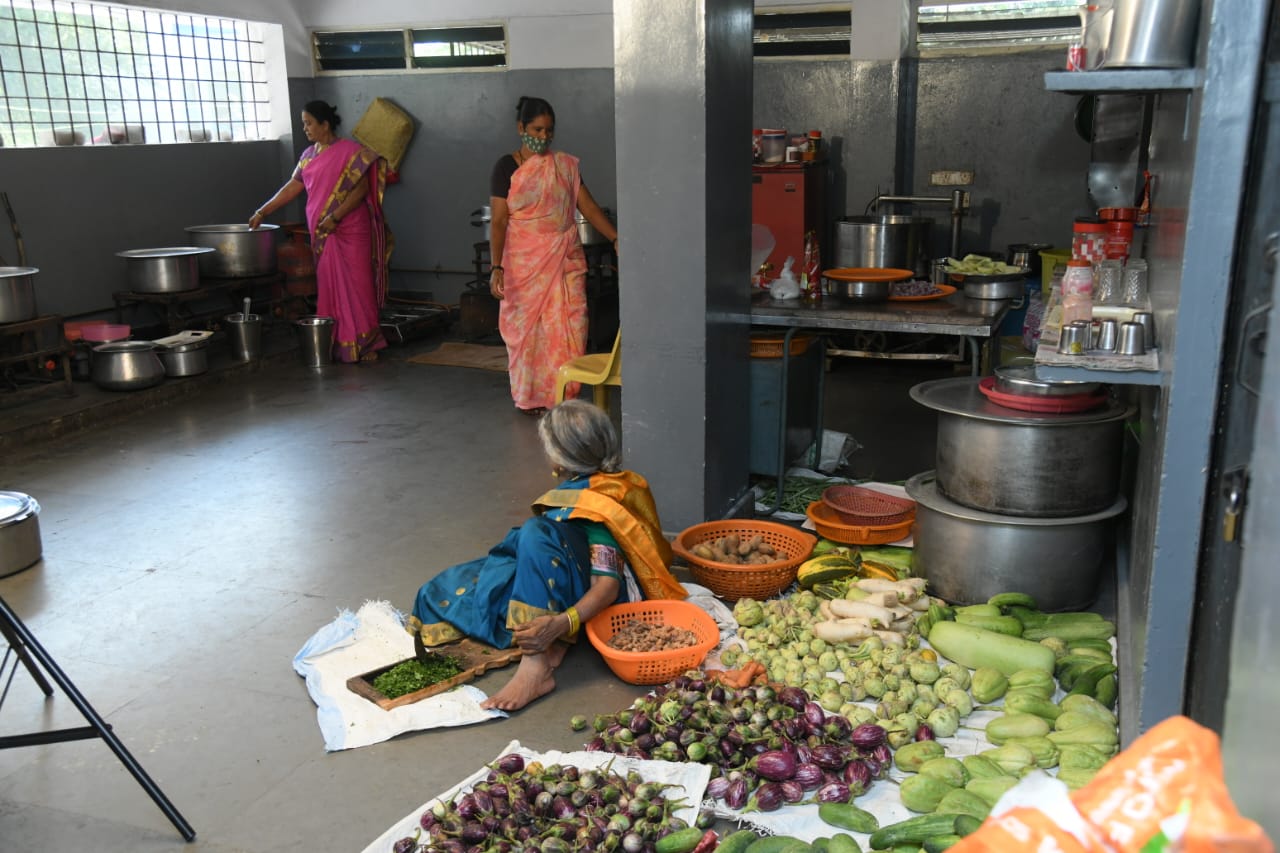
Special attention will be given to women’s needs of safe drinking water, toilet facilities, and sanitation and sewage disposal facilities that can easily reach all households, especially in rural areas and slums. Women’s participation must be ensured in the planning, delivery, and maintenance of these services.
Housing and Shelter
Women’s perspectives are included in housing policies, housing colonies, and shelter provision. Special attention has been given to provide adequate and safe housing for women including single women, heads of households, working women, students, and trainees.
Science and Technology
National policy for women empowerment will be strengthened to bring greater involvement of women in science & technology, motivate girls to take science subjects, and ensure development projects fully involve women. Training in areas with special skills like communication and information technology will be supported.
Monitoring & Evaluation, Networking
Monthly review meetings will be held with the project staff, advisory committee and the older people themselves. Frequent review meetings will be held with actual beneficiaries, i.e. older people themselves who attend the programs to monitor the progress and get their feedback and suggestions to improve the program. At the end of the program, stakeholders themselves will undertake an evaluation of the project activities.
Networking: With the experience gained in the initial project areas, project activities will be extended to other nearby localities. We will be encouraging other local NGOs to undertake such activities by themselves in their localities. Sri Sharadamba Trust will provide technical support to carry out such programs in different localities. One local NGO from the nearby area has already contacted Sri Sharadamba Trust and shown keen interest in the activities and the staff has been involved in the training. Other NGOs also will be contacted and the sharing forums with like-minded organizations will be held to learn from each other’s experience.
Study of best health care model
Review literature from other countries with similarities to Indian culture; healthcare and other service providers (public, private and voluntary organizations) will be sensitized on the health situation, needs, concerns and capacities of older people through interaction programs including older people themselves; solutions and recommendations will be sought. This will be tied with awareness raising program mentioned above.
Sustainability, Staff & Constraints
Sustainability: The project has been able to save the rent and other expenses. The Sri Sharadamba Trust has provided the rooms for old age people & office and place for religious program. A children’s room has also been set up there. Sri Sharadamba Trust membership drive will be launched to collect funds. Different local sources and international donors will also be sought to raise money for older people programs.
Staff: Besides the current staff of project coordinator, there will be full-time research cum administrator, who will carry out the discussions with older people and the younger generation on the issues of older people at different localities. Local volunteers with some training and incentive will be appointed to carry out home visits of lonely and sick older people.
Constraints
How to create a homely environment for the older people within the family is quite challenging. Since it is a very sensitive issue, we have to be careful not to antagonize family members. The proposed interaction program however is expected to create positive impact in this respect. For those older people living alone, how we can help them is also a major issue. In this respect we want to have a modest beginning by training local volunteers to undertake this task. Since there is a misconception that older people are taken care of by their families, there are no special services for older people such as counselling, treatment, day care, etc. But since there is considerable number of older people living alone, we have to learn through our experience of such services.
A place with all sort of medical assistances
In order to alleviate medical problems of older people, monthly health camps are held and special camps are held occasionally. This is a major attraction as beneficiaries get free medicines for minor conditions otherwise ignored. The Trust aims to make these services sustainable and to strengthen community support networks for older people.
Indicative Budget & Urgent Requirements
Monthly & yearly urgent requirements of Sri Sharadamba Trust include medical equipment, mobility aids, food supplies, funds for emergency medical care, and other operational needs.
| Item | Amount (INR) | Notes |
|---|---|---|
| Staff salaries | 600,000 | Supervisor, Nurse, Care staff |
| Medicines & medical camps | 120,000 | Monthly camps and medicines |
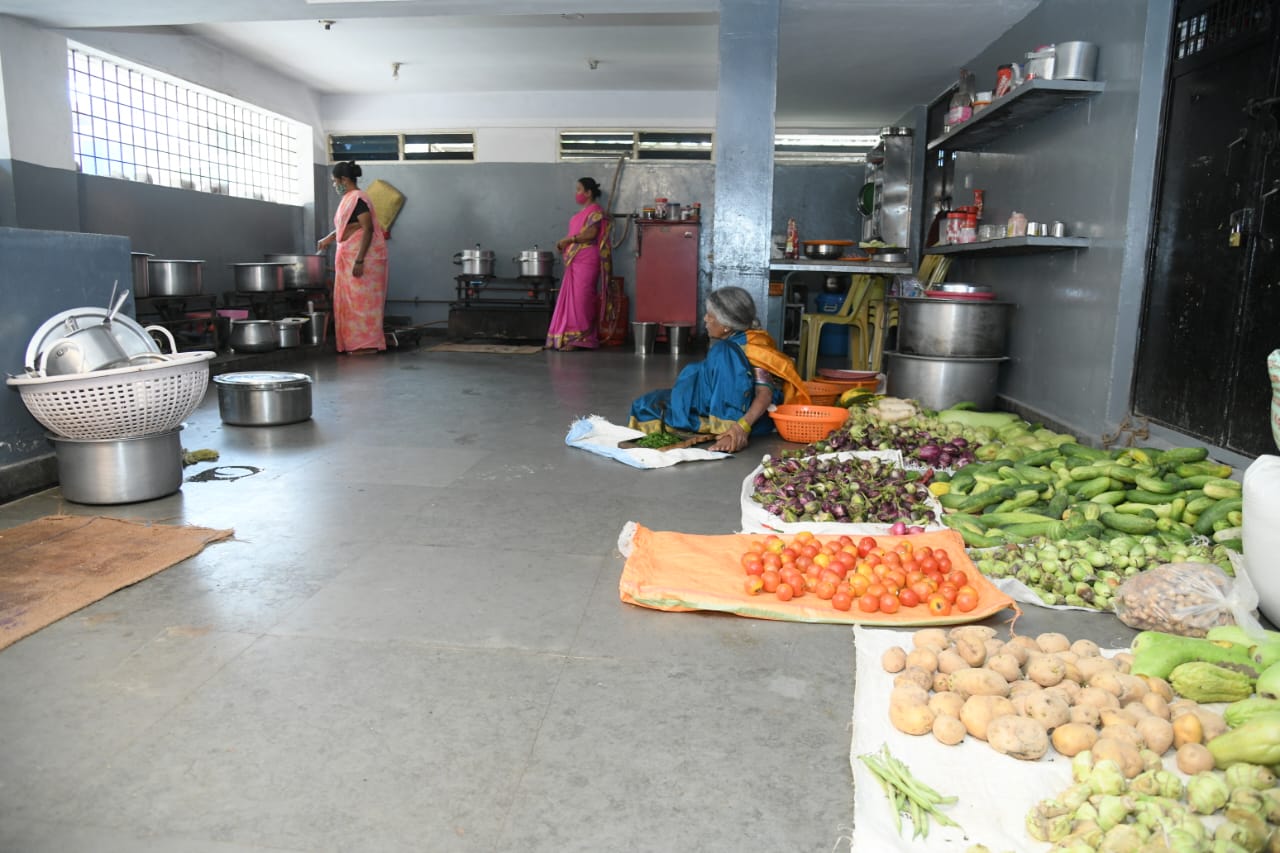
| Food & consumables | 300,000 | Daily meals for beneficiaries |
| IGAs & maintenance | 100,000 | Seeds, tools, small equipment |
| Administrative | 80,000 | Office & utilities |
| Total (indicative) | 1,200,000 |
The three pillars of Sri Sharadamba Trust
We bring together three key pillars of social change — NGOs, Individuals and Corporates.
- Individuals – Volunteers, Funding, ground-level support
- NGOs – Ground level support
- Corporates – Volunteers, Funding
Team & Volunteers

Project Coordinator
Coordinator
Short bio / role description placeholder. Replace with real details when available.

Staff Nurse (TBD)
Health & Care
Short bio / role description placeholder. Replace with real details when available.

Volunteer Lead
Volunteers
Short bio / role description placeholder. Replace with real details when available.
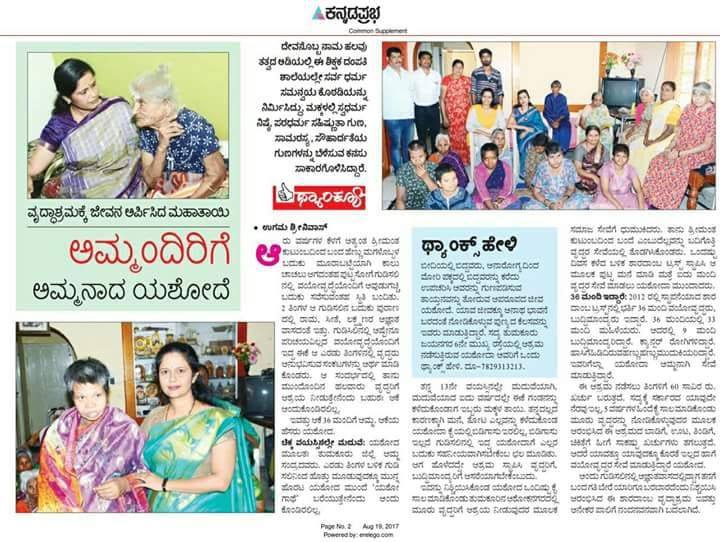
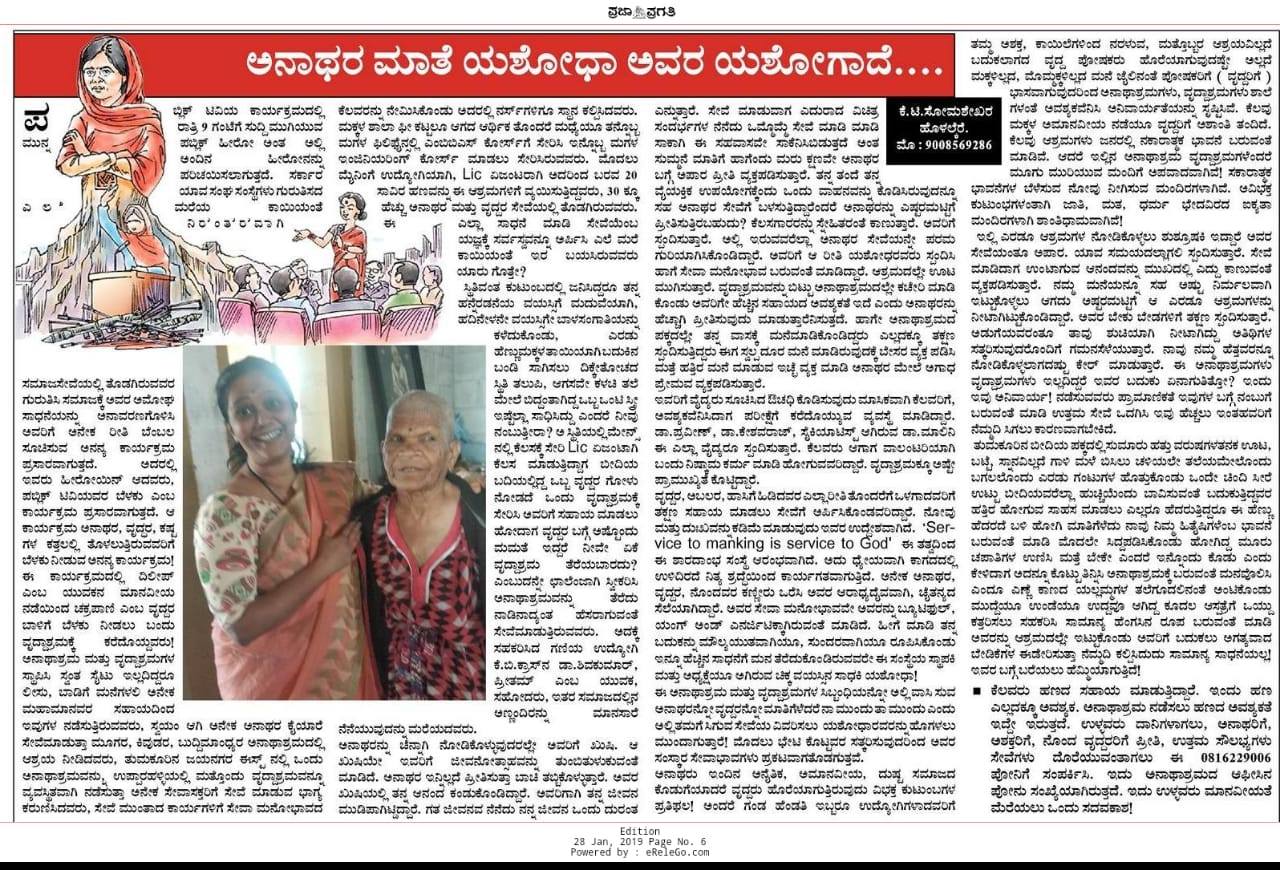
Gallery (Photos, Awards & Press)
Appendix & Attachments
Additional material to attach for proposals or submission:
- Detailed beneficiary list and individual case studies.
- Photos (with consent) of activities and beneficiaries.
- Monthly activity reports and financial statements.
- Letters of support from community leaders.
Banking & Contact
Sri Sharadamba Trust
Hotel association SAMAJA BHAVANA BUILDING Near Akka Thangi kere Opp Vidya PU college NH4
Prashant Nagar,New extension ,Devarayapatna, Batawadi, 572104
Phone: Preetham: 9739602580 /9141038055 & Yashodha :- 7829313213
Email: srisharadambatrust@gmail.com
Please confirm account details before making any transaction.
Bank details
Sri Sharadamba Trust
A/C no: 50200006449028
IFSC: HDFC0002090
HDFC BANK, TUMKUR
Contact & Volunteer
Get involved
Donations, volunteering and spreading awareness are welcome. Contact us for volunteer opportunities, in-kind support, or to donate for urgent medical and daily needs.
- +91 7829313213
- srisharadambatrust@gmail.com
- Hotel association SAMAJA BHAVANA BUILDING Near Akka Thangi kere Opp Vidya PU college NH4 , Prashant Nagar,New extension ,Devarayapatna, Batawadi, 572104